

Research team: Jiexiang Xia team, Jiangsu University
Journal: Green Energy & Environment
Photocatalytic CO₂ reduction is affected by light absorption, charge separation, surface adsorption, and the activation of CO₂ molecules. Defect engineering can change these processes, but the roles of different defects must be evaluated together with the actual reaction environment and product-analysis method.
A team led by Jiexiang Xia at Jiangsu University reported a carbon-nitride design in which carboxyl groups and nitrogen vacancies provide complementary regulation. The results were reported in Green Energy & Environment.
Carbon nitride is widely studied as a metal-free photocatalyst. Introducing vacancies may improve carrier separation and expose reactive sites, while surface functional groups can influence adsorption and intermediate stabilization. The key experimental question is how these structural changes cooperate rather than act independently.
Reliable CO₂ photocatalysis experiments require controlled gas delivery, reaction-volume management, light-source stability, and quantitative product analysis. The micro gas analysis system can be used for gas-phase product monitoring. Related photocatalytic testing and reaction-system resources are available through the photocatalytic reaction system and gas-analysis equipment pages.
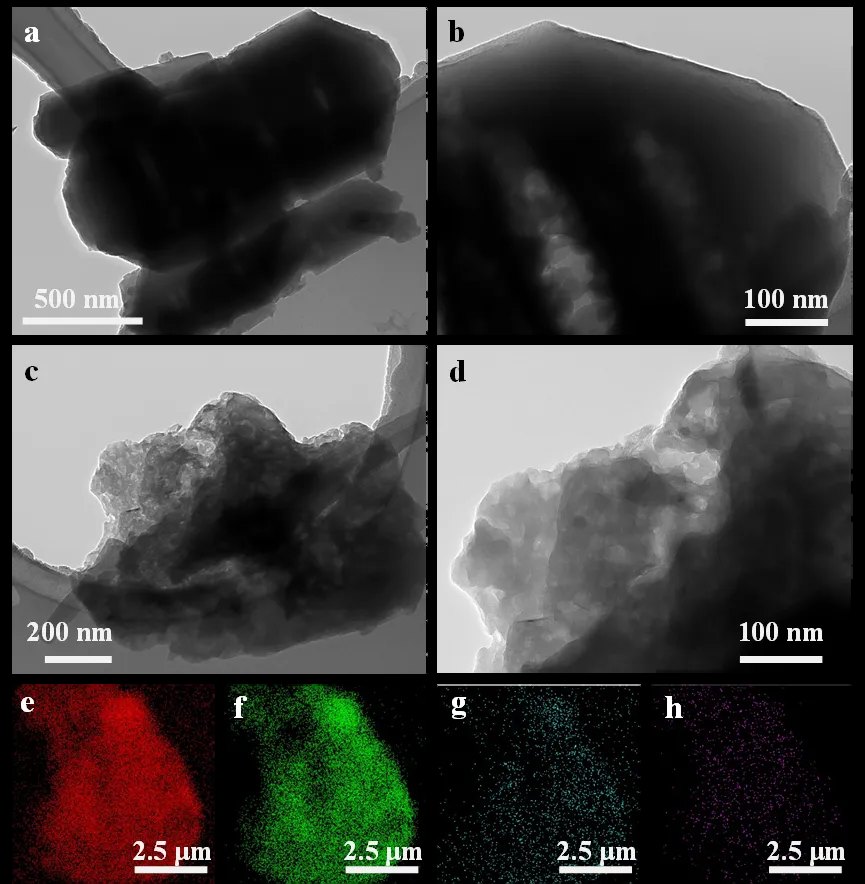
Electron microscopy and diffraction data are used to examine morphology and structural changes after defect and functional-group regulation. These measurements should be interpreted together with composition and surface-chemistry evidence.
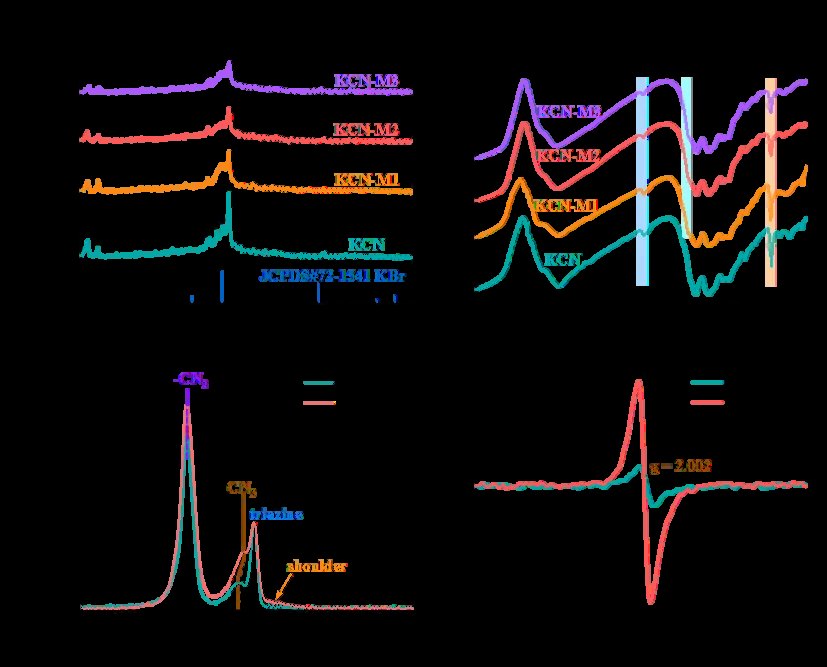
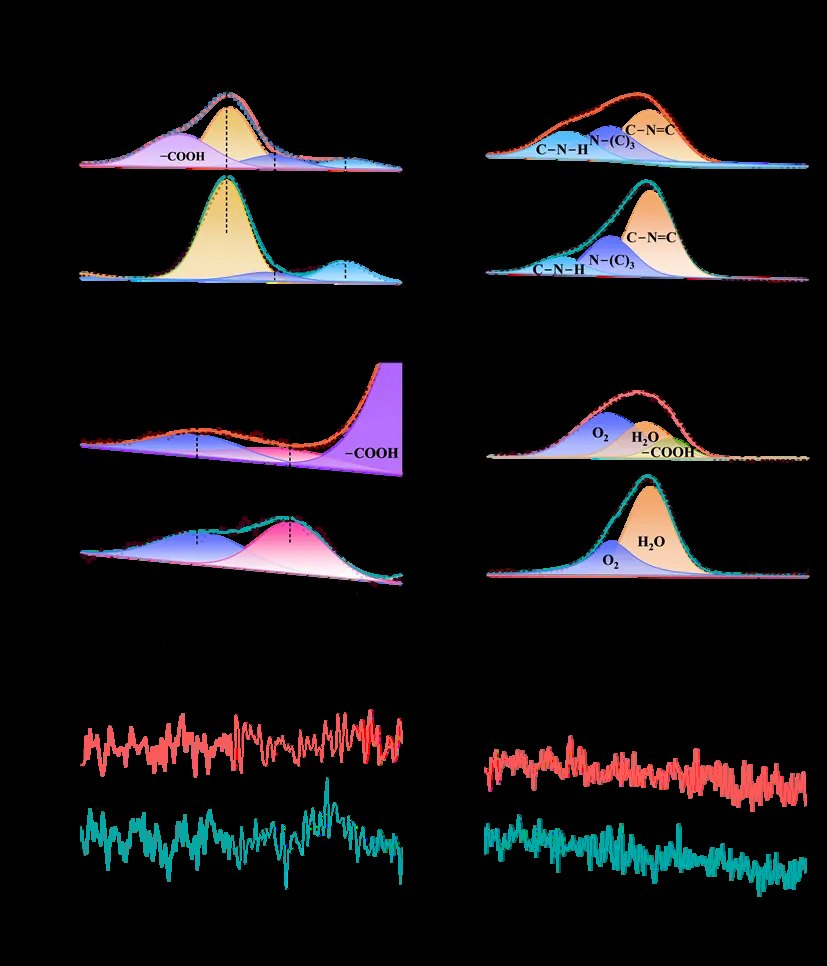
XRD, FTIR, and XPS results help identify the framework, functional groups, and chemical states associated with the regulated carbon nitride. The combination is important because a single characterization method cannot fully resolve vacancy and surface-group effects.
Photocatalytic performance is evaluated with gas-phase product analysis and complementary surface measurements. Contact-angle and adsorption results provide additional information about the interaction between the catalyst surface and the reactants.
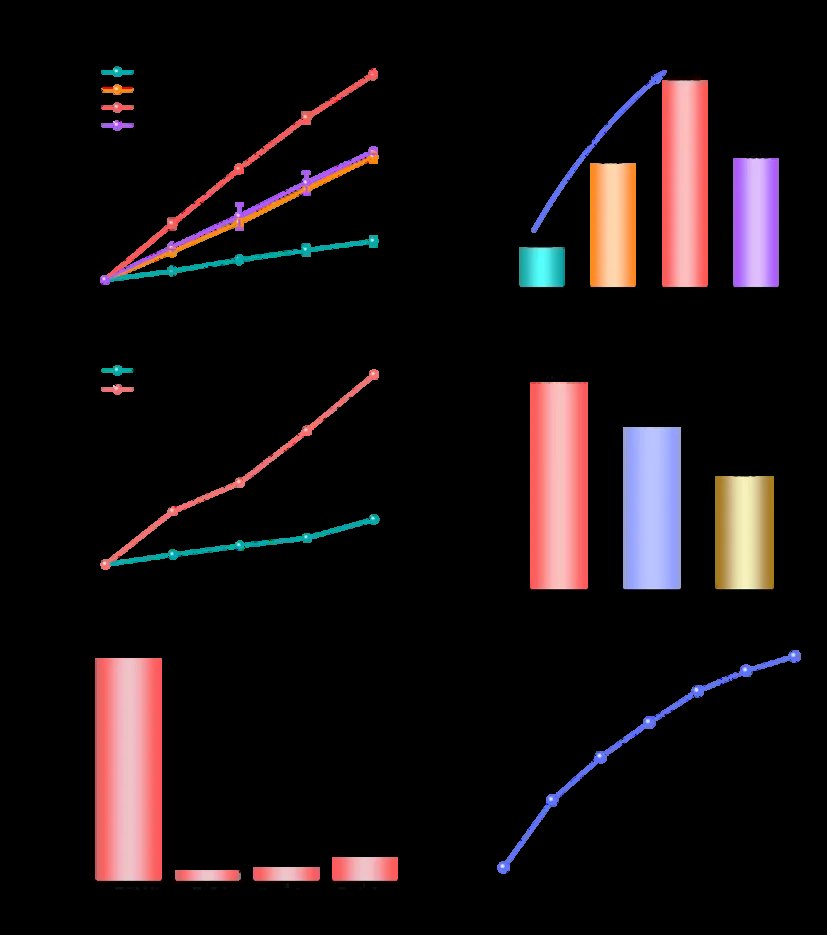

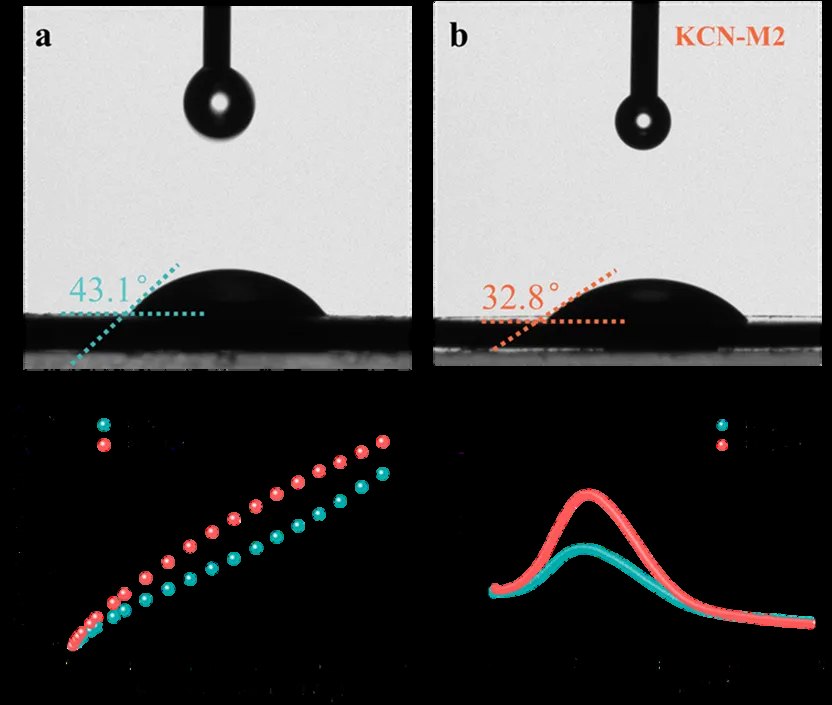
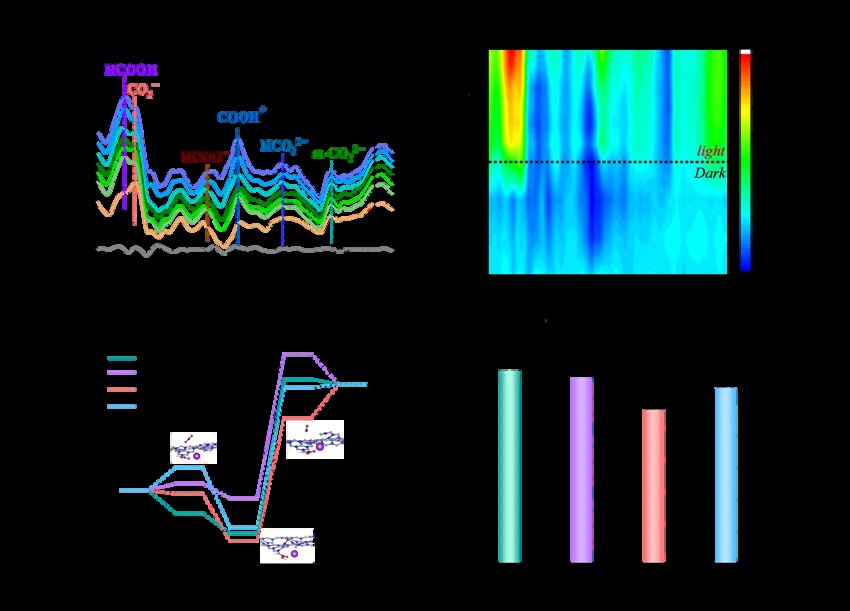
The study shows that coordinated regulation of carboxyl groups and nitrogen vacancies can be investigated through a complete workflow covering material structure, surface chemistry, reaction control, and product analysis. For reproducible CO₂ photocatalysis, researchers should report the catalyst pretreatment, gas composition, irradiation conditions, reactor geometry, sampling interval, and analytical method together.