
First author: Senmao Ren
Corresponding authors: Jianfeng Huang, Liangliang Feng, and Liyun Cao
Photoelectrochemical water splitting is an important route for converting solar energy into chemical energy. In practical research, the measured performance depends not only on the photoelectrode, but also on illumination stability, electrolyte control, bias control, gas collection, and the consistency of electrochemical measurements.
The team from Shaanxi University of Science and Technology investigated these factors through a combined materials and photoelectrochemical analysis. The results were published in Nano Energy.
Efficient water splitting requires photogenerated electrons and holes to reach the reaction interface before recombination. Defects, interfaces, surface states, and the local reaction environment can all change the charge-transfer pathway. A reliable evaluation therefore needs controlled light input together with electrochemical and product-analysis measurements.
The photoelectrochemical testing system was used to control the illumination and electrochemical measurement conditions. A stable test platform helps researchers compare photocurrent response, polarization behavior, impedance characteristics, and operational stability under defined conditions.
For related information, see the photoelectrochemical testing system.
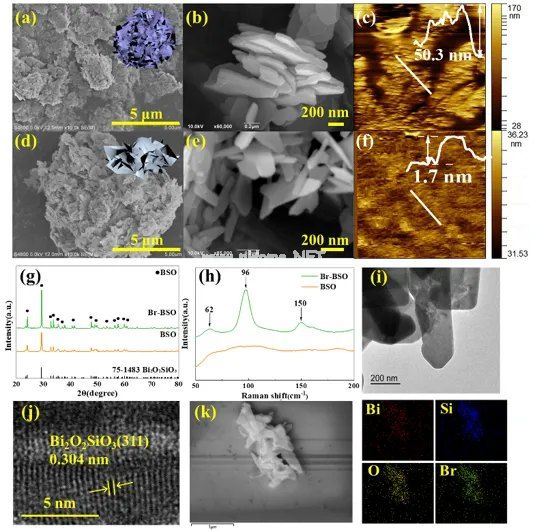
The characterization results shown in the paper connect morphology, composition, optical response, and electrochemical behavior. When reading these figures, it is useful to distinguish intrinsic material effects from changes caused by electrode preparation, illumination geometry, electrolyte composition, and measurement protocol.
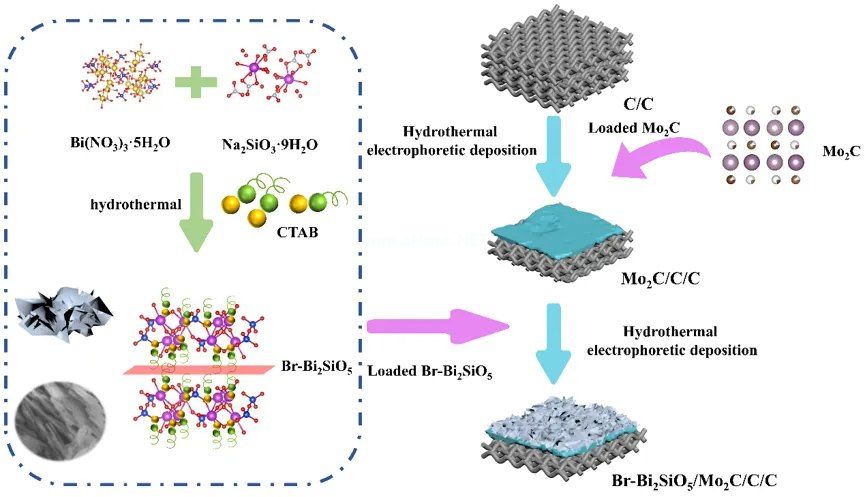
This study demonstrates how coordinated material design and standardized photoelectrochemical testing can support the development of water-splitting photoelectrodes. For reproducible research, the illumination source, electrode area, electrolyte, bias, gas-analysis method, and data-processing procedure should be documented together.