Research team: Academician Xianhe Bu's team, Nankai University
Journal: ACS Catalysis
In many photocatalytic materials, the distance and electronic coupling between functional units determine whether photogenerated carriers can be separated and transported efficiently. Hydrogen-bond connections may provide a transfer route, but their electronic coupling and stability can be limited by the local structure and reaction environment.
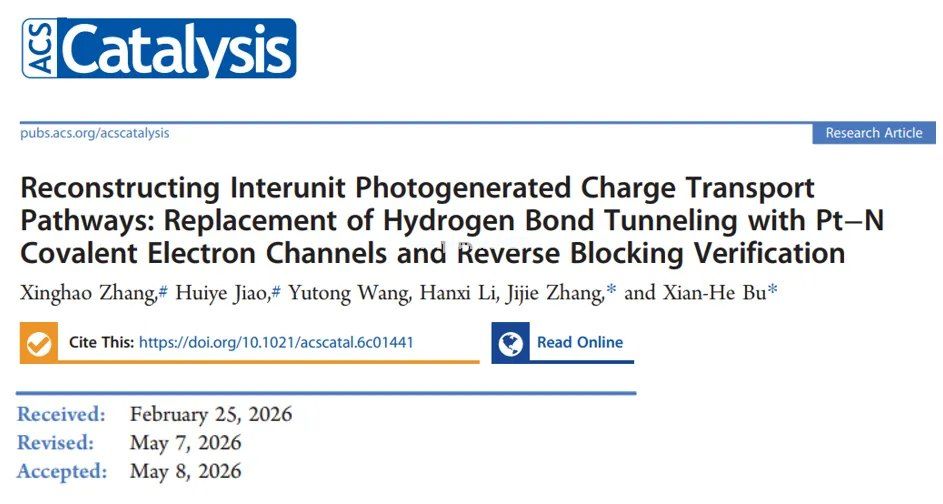
A team led by Academician Xianhe Bu at Nankai University reported a Pt–N covalent electronic channel to rebuild the interunit charge-transfer pathway. The work was published in ACS Catalysis.
Understanding charge transfer requires more than a single activity measurement. Researchers need to connect the material's molecular structure with its optical response, carrier behavior, and reaction performance. Covalent electronic pathways offer a way to study this connection at the interface between neighboring units.
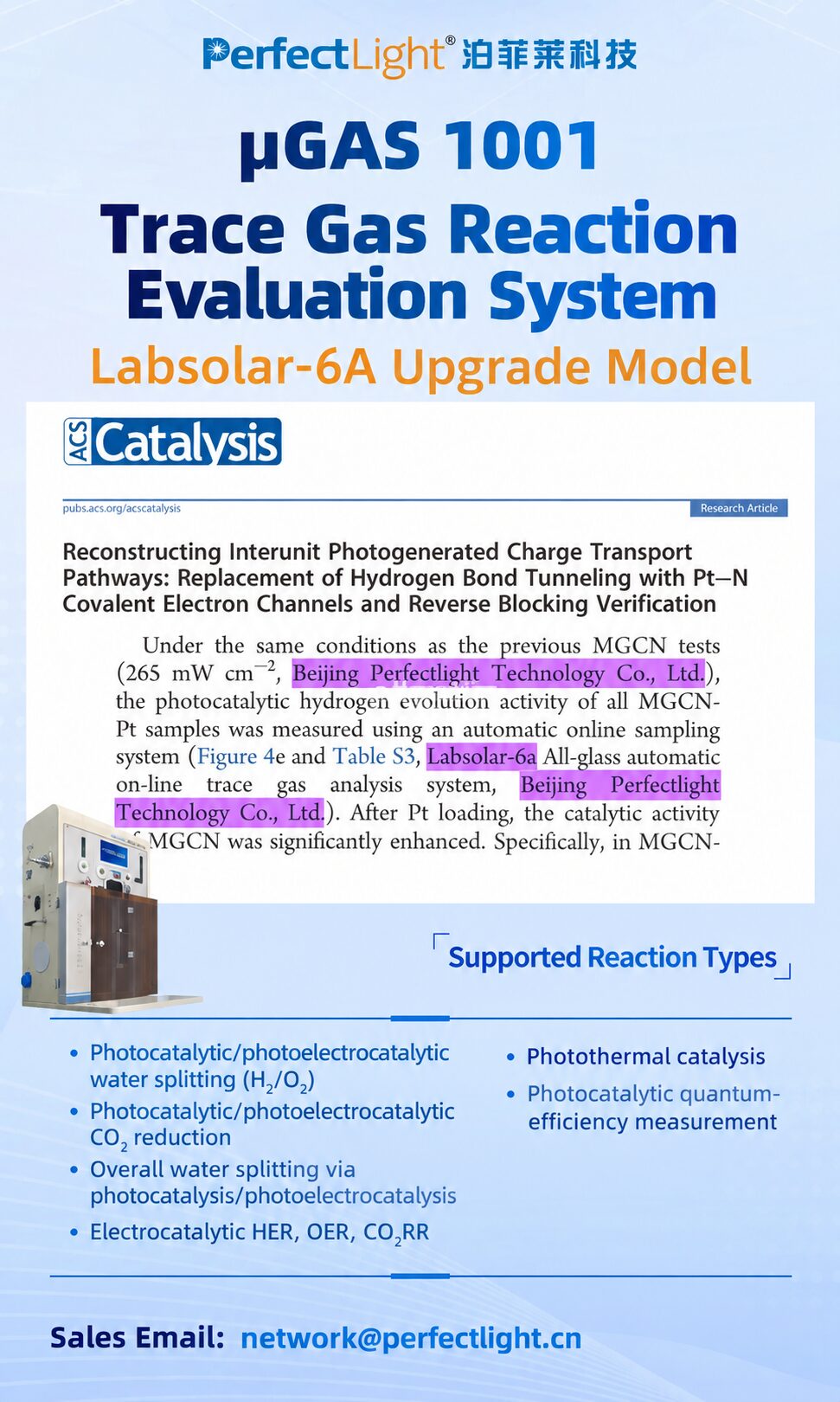
A controlled photocatalytic reaction system can provide stable illumination and reaction conditions for comparative experiments. Depending on the material and target reaction, complementary optical and photoelectrochemical measurements can be added to distinguish light absorption, carrier separation, and surface reaction effects.
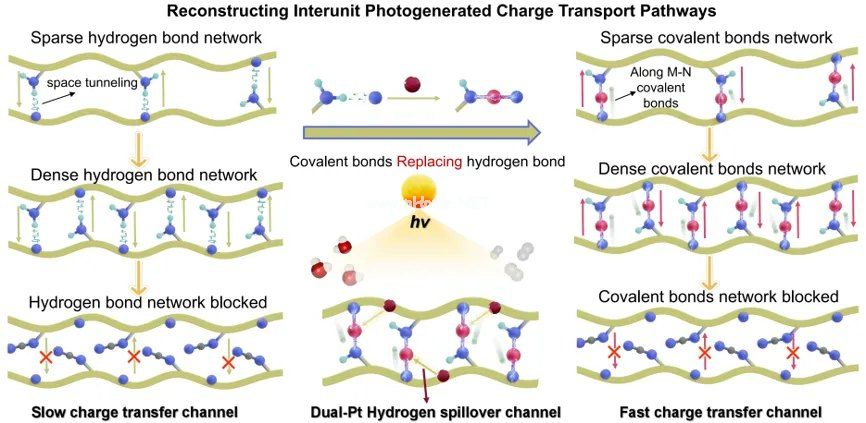
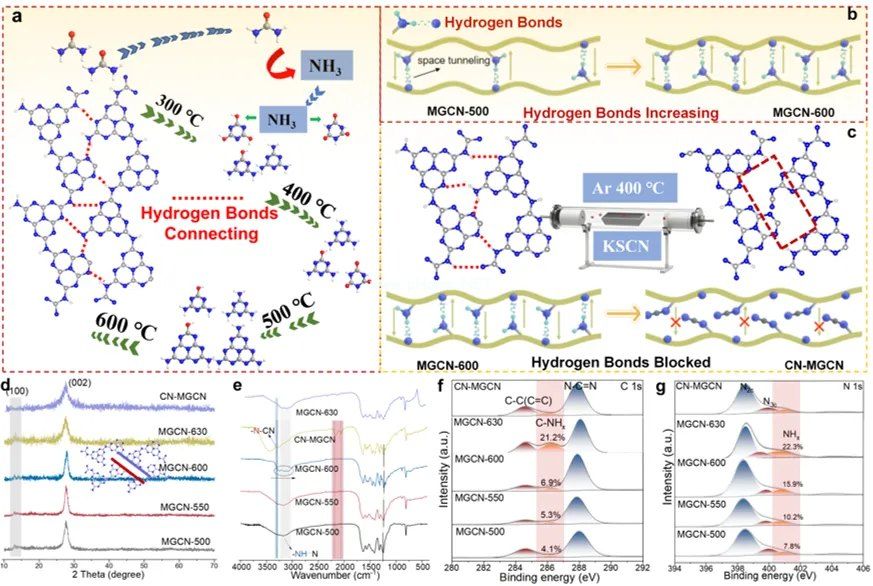
The schematic in the paper illustrates how the Pt–N covalent channel changes the connection between functional units. The key interpretation is the relationship between bonding configuration and the direction of photogenerated-charge transport.
Structural and spectroscopic evidence is used together with photocatalytic measurements to evaluate whether the new pathway improves carrier utilization. When reproducing this type of experiment, the catalyst loading, irradiation geometry, reaction atmosphere, sampling interval, and analytical method should be controlled consistently.
This work highlights the value of designing explicit electronic channels between functional units instead of relying only on weak intermolecular connections. It also illustrates why material characterization and reaction evaluation should be planned as one workflow.