In July 2026, eScience published the work of Prof. Liu Xinghui's group at Hubei University of Technology on upcycling waste PET into value-added acetate and glycolate (first author: Wang Jing; corresponding authors: Liu Xinghui and Li Yang; DOI: 10.1016/j.esci.2026.100627).
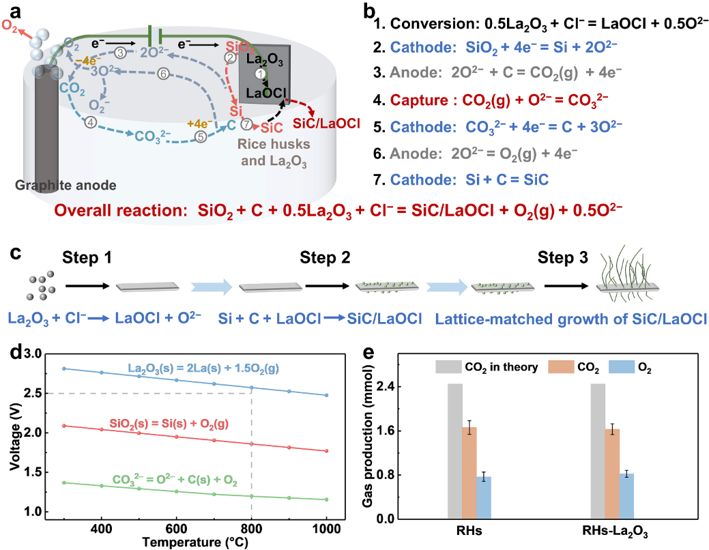
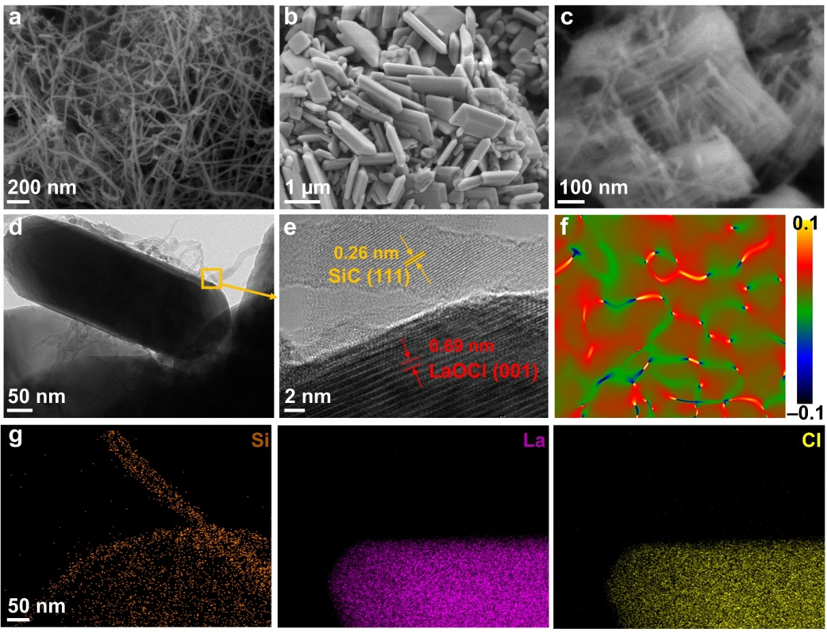
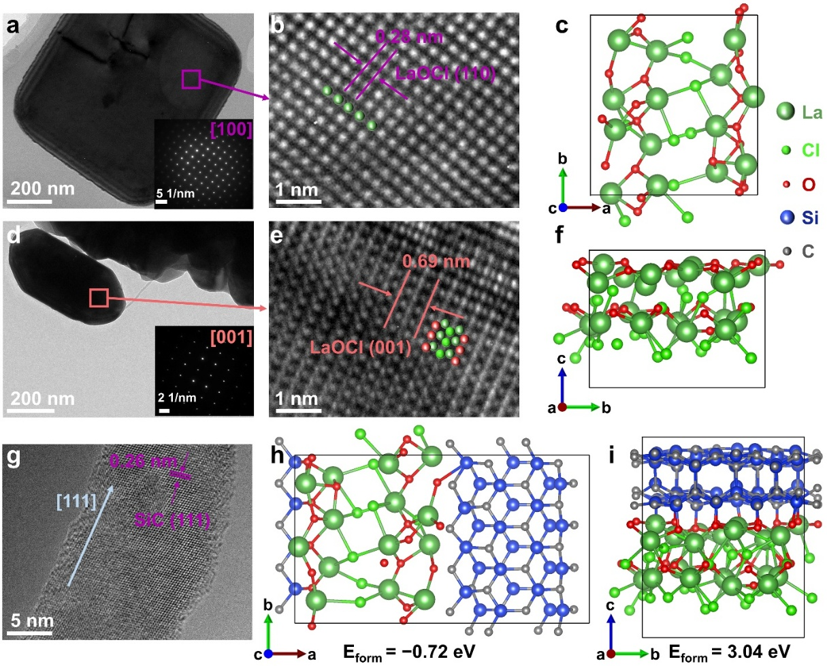
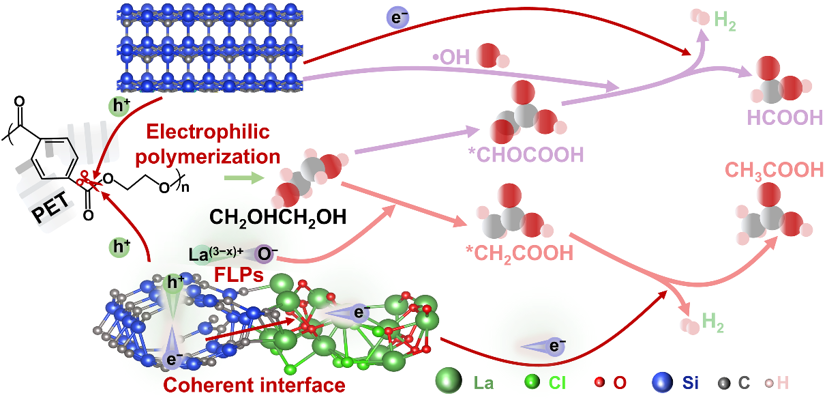
The team constructed a lattice-matched SiC/LaOCl heterojunction via molten-salt electrochemical biorefining. At the interface, undercoordinated La atoms adjacent to oxygen vacancies form frustrated Lewis pairs (FLPs).
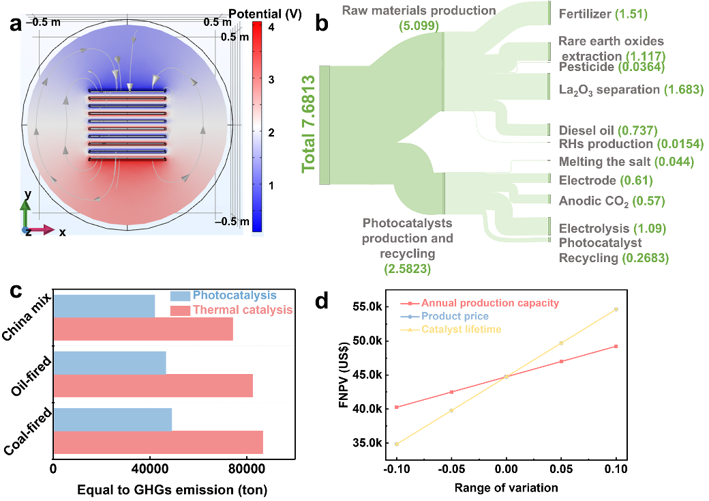
The FLPs redirect the oxidation mechanism from hydroxyl-radical-mediated cleavage to a C-alpha-centered radical pathway, achieving 64.71% acetate selectivity in PET photoreforming. Life-cycle assessment shows the photoreforming route cuts emissions by 45% versus a thermal catalytic system, and techno-economic analysis indicates the SiC/LaOCl photocatalyst recovers its production cost after only 33 hours of operation.
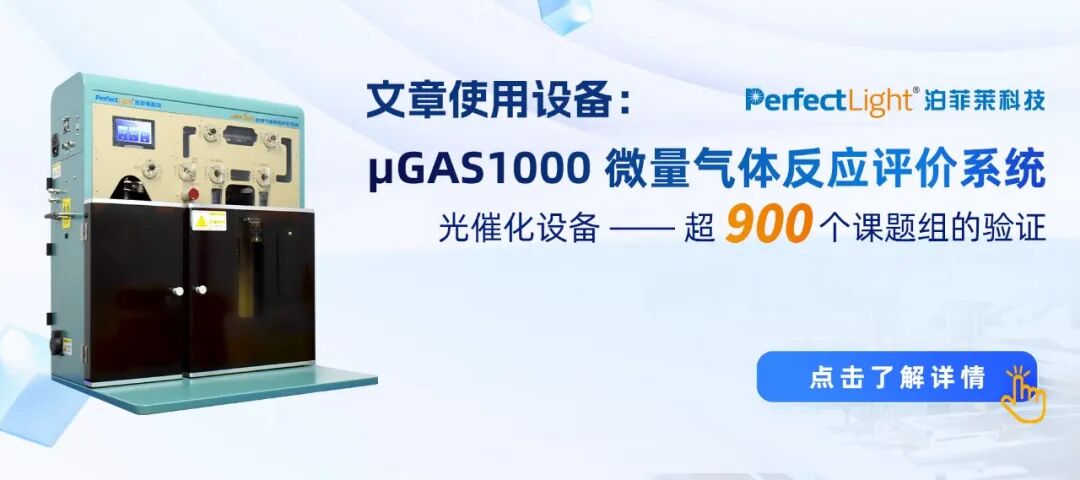
Gas-product analysis used the Perfectlight microGAS1000 Trace Gas Reaction Evaluation System, a high-airtightness platform for quantitative detection of trace gaseous products.
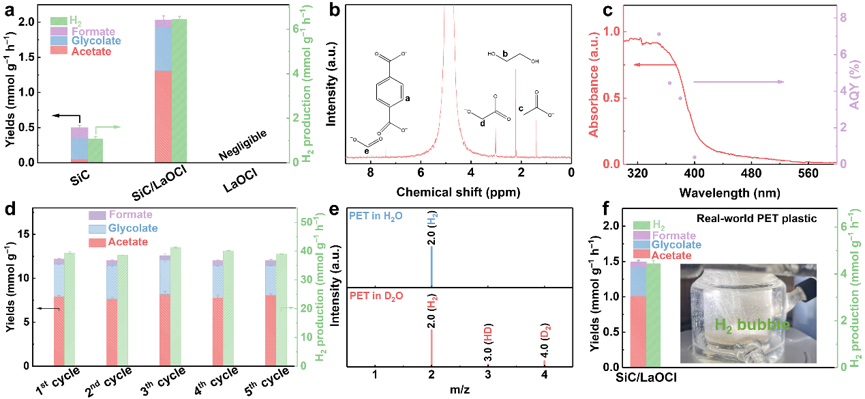
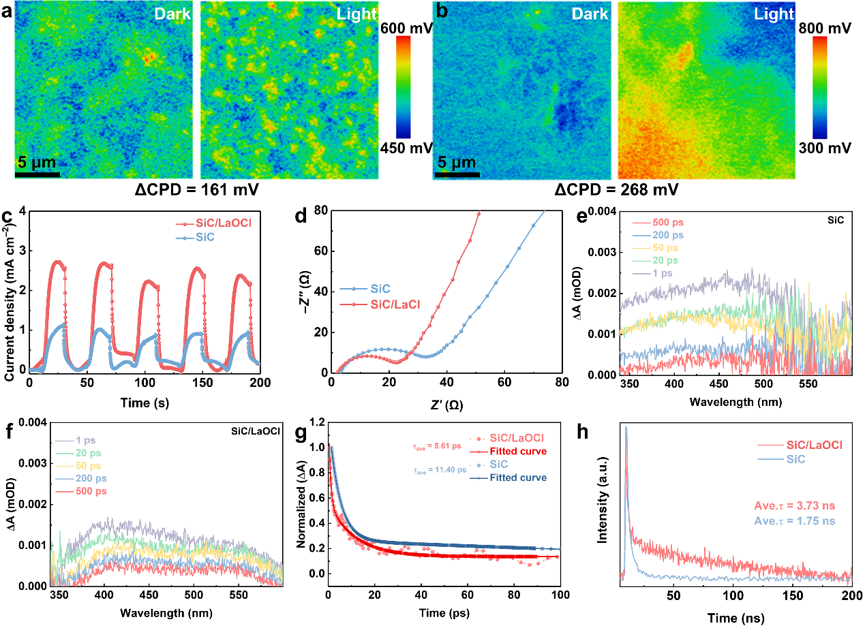
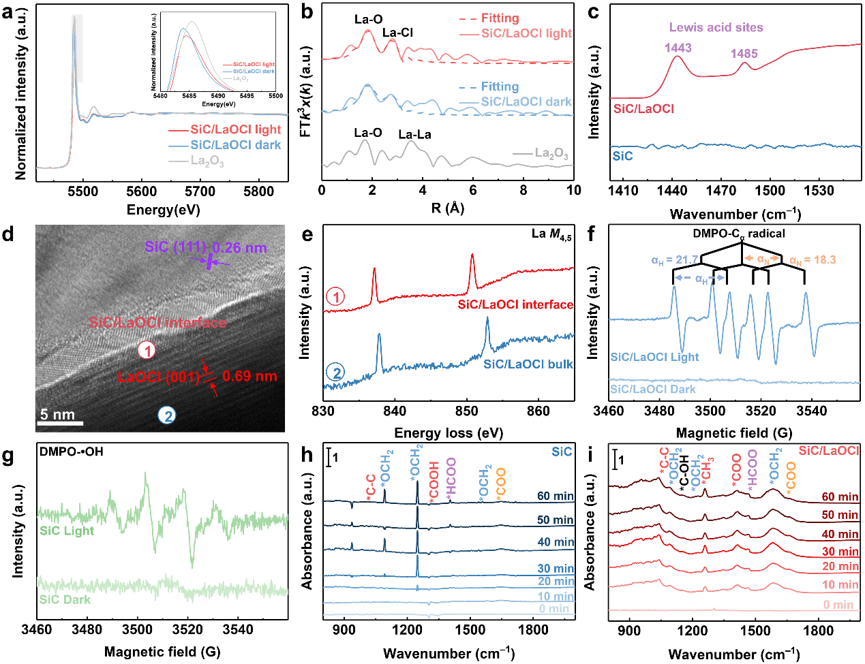
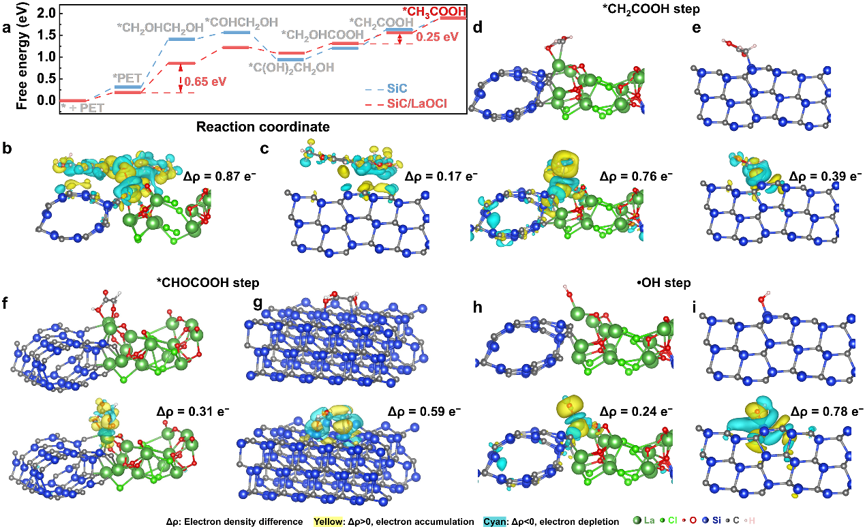
Interfacial Lewis-pair engineering couples selectivity control with measurable environmental and economic benefits, offering a practical design point for solar-driven plastic upcycling.
Chinese report: eScience:SiC/LaOCl界面构建FLPs,乙酸盐选择性达64.71%.