A photochemical reactor is a device that uses light energy to drive chemical reactions, widely applied in pharmaceutical synthesis, environmental remediation, and energy conversion. Its core principle involves using a light source (such as an LED or UV lamp) to excite photosensitizers or catalysts in the reaction system, generating highly reactive intermediates (such as free radicals or excited-state molecules) that promote the desired reactions. Compared with traditional thermal reactions, photochemical reactions offer milder conditions, higher selectivity, and lower energy consumption, making them particularly suitable for synthesizing high-value-added chemicals or degrading pollutants.
Key design factors of photochemical reactors include the type of light source, reactor structure, mass transfer efficiency, and temperature control. For example, flat-panel reactors use a thin-layer structure to ensure uniform illumination of the catalyst, minimizing efficiency losses caused by local shadows; while microchannel reactors, which use millimeter-scale flow channels, enhance mass transfer rates and are ideal for continuous-flow processes. In addition, the flexible configuration of light wavelength (e.g., adjustable 365–760 nm LED) and power allows the reactor to adapt to various photosensitive systems—from UV halogenation reactions to visible-light-driven hydrogen production.
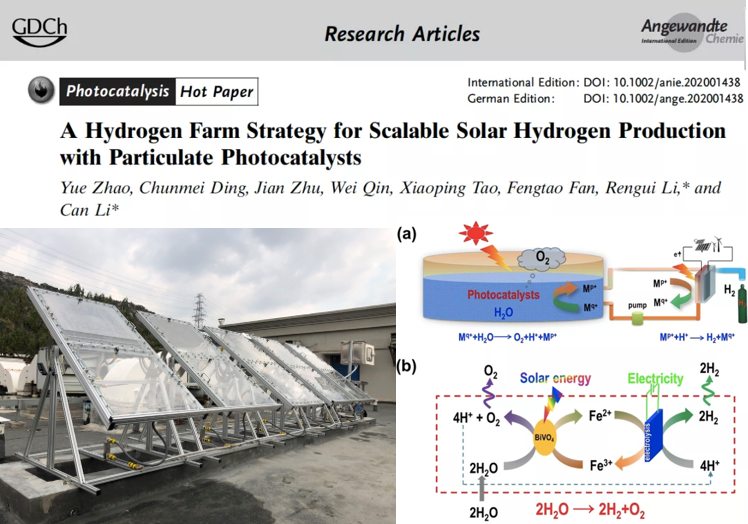
Perfectlight Direct Solar Array Flat-Panel Photochemical Reaction System
Perfectlight’s products demonstrate significant advantages in the field of photochemical reactors. Taking the PLR-SPR Series Flat-Panel Photochemical Reaction Device as an example, it adopts a unique turbulence layer and thin-layer liquid design that not only increases the contact area between catalyst and reactants but also reduces dead volume by optimizing bed height—improving mass transfer efficiency by more than 30%. The system also employs corrosion-resistant sealing materials and a pressure-resistant structure, combined with simulation analysis, ensuring stable operation under high-pressure conditions and eliminating leakage risks. These features make it particularly effective for photocatalytic degradation of organic compounds or synthesis of pharmaceutical intermediates, minimizing side reactions and enhancing product purity.

Advantages of the Flat-Panel Reactor
For pilot and industrial applications, our photochemical reaction kettles (with capacities ranging from 10–100 L) support gas–liquid–solid multiphase reactions and interchangeable light sources, allowing users to optimize conditions and scale up processes easily. The PLR PMCD-G20 Plate-Type Microchannel Photoreactor combines precision microchannels with high-energy light sources, achieving in-situ coupling of reaction and irradiation. This design significantly enhances reaction rate and selectivity in pharmaceutical synthesis while enabling parallel expansion for continuous production. Another innovative product, the PLR-STR05O Parabolic Tube-Flow System, integrates irradiance, pH, and flow monitoring functions, featuring a six-level wind resistance design and IP65 protection—ideal for outdoor photocatalytic hydrogen production and similar applications.
Customization is another key advantage of our product line. Users can tailor parameters based on reaction system characteristics—such as solvent type or catalyst loading—including reactor size, tubing material, flow rate, and heat exchange systems. For example, the PLR DPCT-O400 Coil-Type Photoreactor offers multiple holding capacities (e.g., 400 mL) and wavelength options, along with explosion-proof design, ensuring safety and reliability in kilogram-scale synthesis. This flexibility not only accelerates the transition from laboratory research to industrial production but also reduces users’ trial-and-error costs.
In conclusion, photochemical reactors are evolving toward higher efficiency, intelligence, and sustainability. Through innovative designs and customized solutions, our company provides users with comprehensive support spanning from fundamental research to large-scale applications. Looking ahead, as photochemistry continues to expand its role in renewable energy and precision synthesis, our technologies will keep driving industry progress and contribute to achieving sustainable development goals.
Recommended
news