Research highlight. A 2026 Proceedings of the National Academy of Sciences study reports a molecular-design route for improving photocatalytic hydrogen peroxide (H2O2) synthesis in covalent organic frameworks (COFs). The work uses intramolecular noncovalent interactions to restrict σ-bond rotation, improve donor–acceptor coplanarity, and support charge separation.
COFs provide a modular platform for photocatalyst design. Their donor and acceptor fragments are commonly joined through single bonds, but free rotation can increase dihedral angles and disrupt conjugation. This conformational freedom may hinder charge separation and reduce the availability of reactive carriers for H2O2 production.
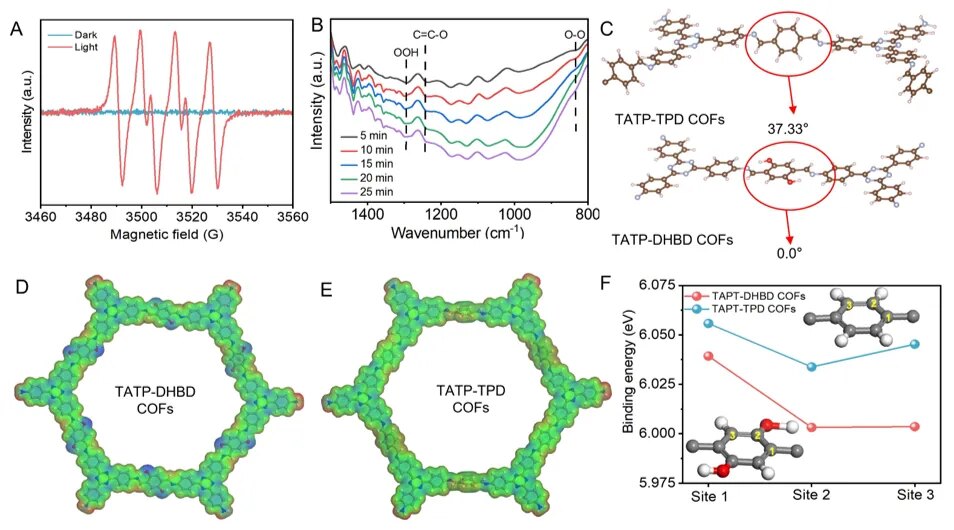
The researchers introduced an intramolecular hydrogen-bonding interaction to lock the molecular conformation rather than relying only on intermolecular packing. The source paper reports an optimized planar framework in which the calculated dihedral angle changed from 37.33° to 0°.
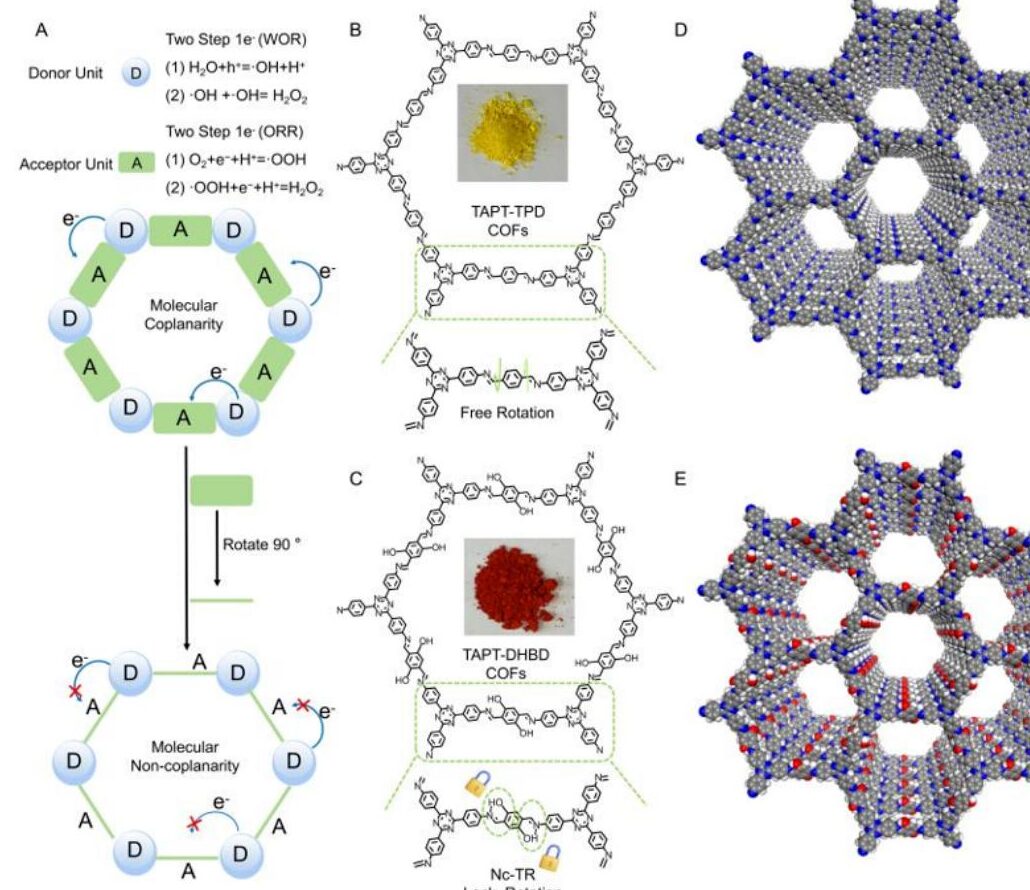
Relative to TAPT-TPD, the hydrogen-bond-modified COF exhibited a 5.0-fold increase in H2O2 reaction kinetics and a 3.6-fold increase in solar-to-chemical conversion efficiency, as reported by the authors. Spectroscopic and theoretical analyses linked this result to stronger conjugation, more effective carrier separation and longer-lived photoexcited charge carriers.
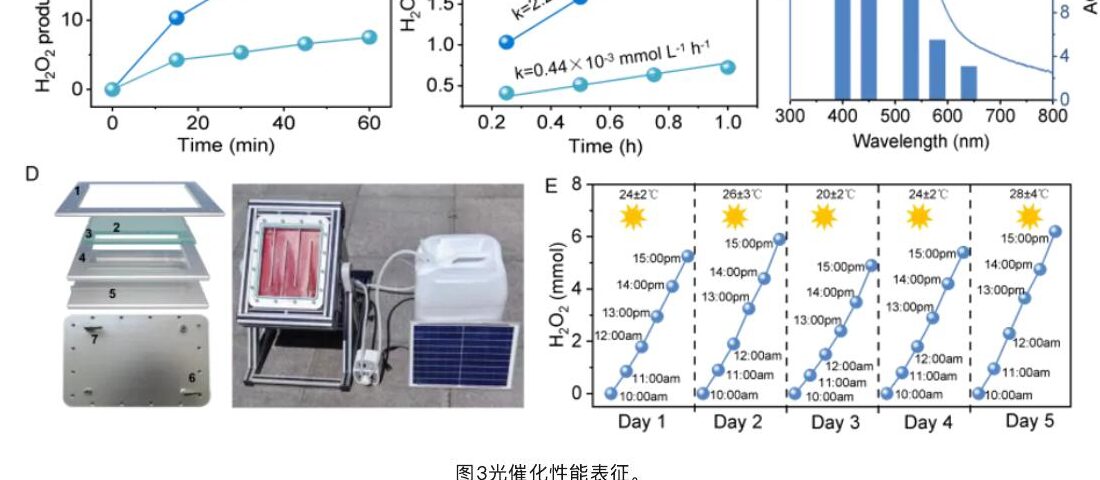
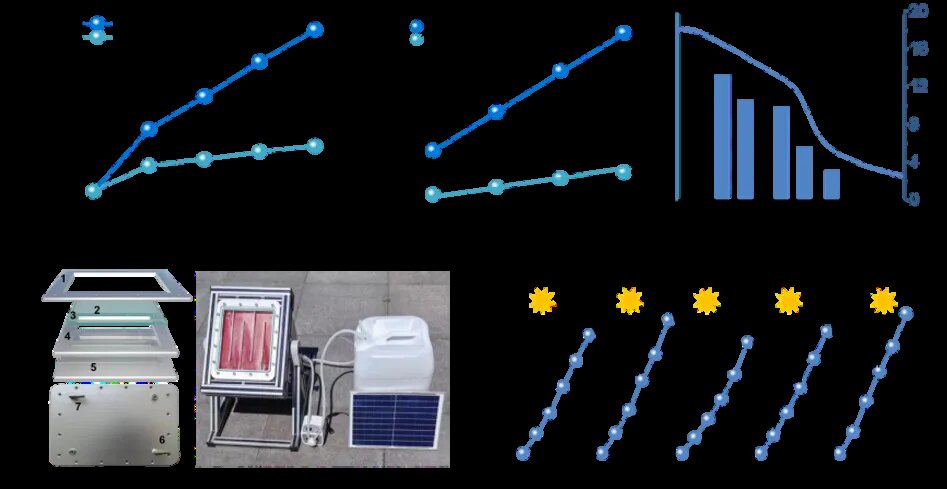
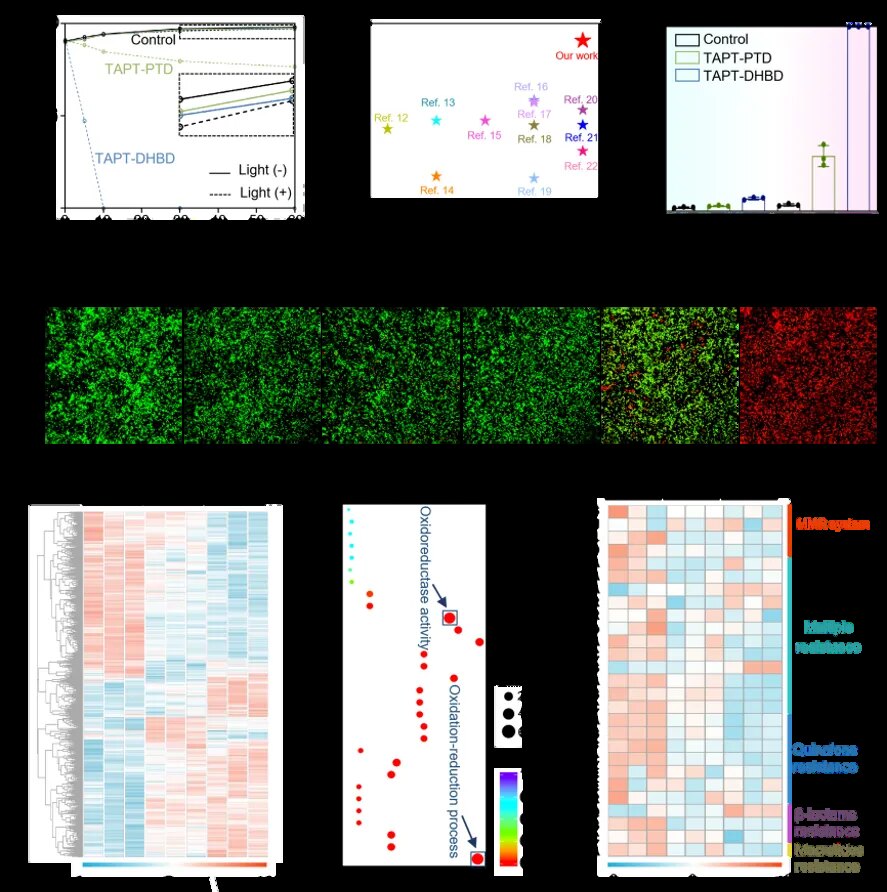
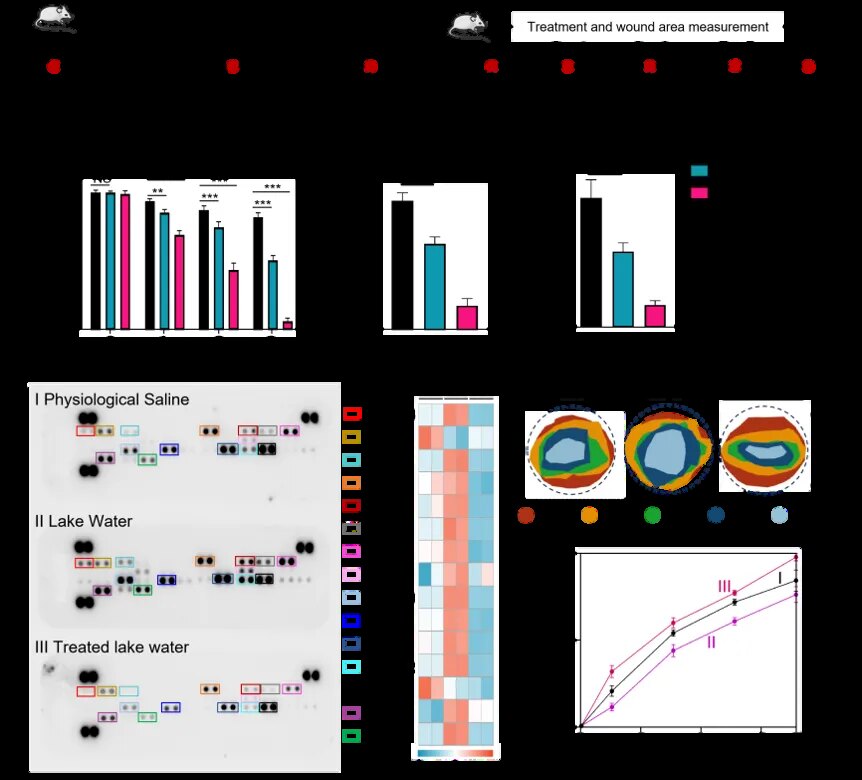
Under natural sunlight, the study used a flow photocatalytic setup to prepare H2O2 solution in situ and evaluated antibacterial and wound-healing-related application potential. These results frame the molecular design as a route to functional H2O2 generation; they do not replace application-specific safety or clinical validation.
The source article identifies a Microsolar 300 xenon lamp in the experimental equipment section. For comparative photocatalytic work, source intensity, spectrum, geometry and reactor configuration should be reported together so that material effects are not conflated with illumination differences.
Y. Guo, Y. Liu, L. Li, et al. Intramolecular noncovalent trans ring restricting free rotation of σ single bond enhances photosynthesis of hydrogen peroxide. Proc. Natl. Acad. Sci. U.S.A. 2026, 123(6), e2526675123. DOI: 10.1073/pnas.2526675123.
Sales Email: network@perfectlight.cn