At the forefront of contemporary energy chemistry and materials science, the “liquid sunlight” project—efficiently converting solar energy into chemical energy—has become the ultimate goal for scientists. To accurately replicate the miracles of nature within the confined space of a laboratory, the first challenge is standardizing energy input. In this research context, research xenon lamp bulbs are not merely simple lighting components; they function as a precisely defined physical coordinate system, providing a constant energy scale for every microscopic interaction involving photon capture and electron transitions. The core value of an excellent xenon lamp system often depends on the spectral fidelity, power density, and long-term performance characteristics of this bulb.
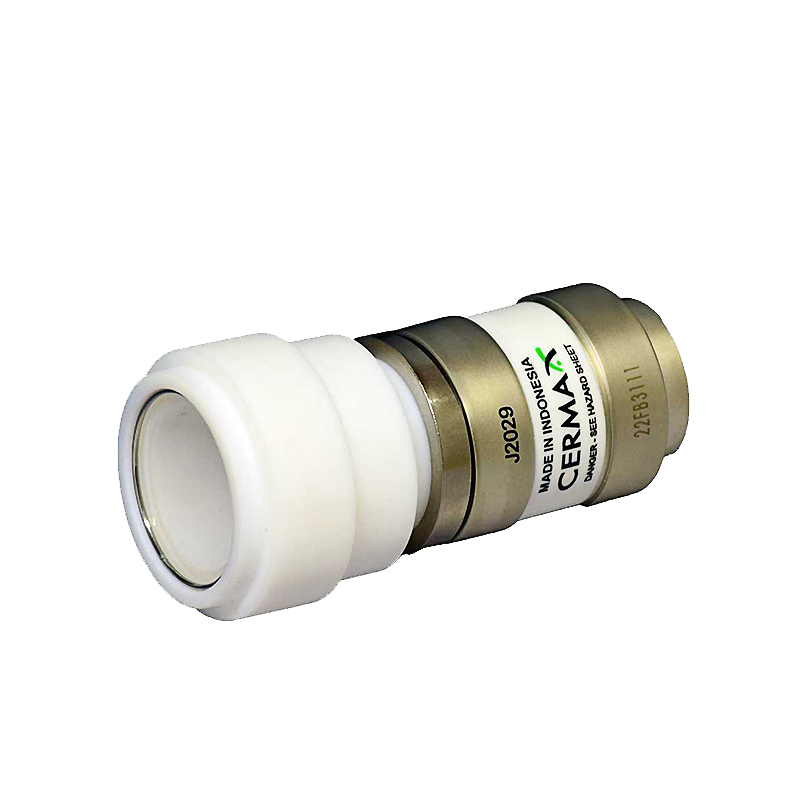
From a fundamental physics perspective, the efficiency of a photocatalytic reaction largely depends on whether incident photons can effectively excite the material. When the photon energy exceeds the bandgap of the semiconductor material, valence band electrons are excited to the conduction band, forming photogenerated carriers (electrons and holes), which subsequently drive redox reactions such as hydrogen evolution or CO₂ reduction. Research-grade xenon lamps outperform other light sources due to their ultra-high-pressure xenon gas discharge, producing a continuous spectrum that closely matches the natural solar spectrum across the ultra-wide range of 320 nm to 2500 nm. This full-spectrum coverage allows researchers to observe the intrinsic response of materials across different wavelengths, enabling precise bandgap engineering. Currently, research labs widely adopt imported Excelitas xenon lamp bulbs from the U.S., whose integrated parabolic reflectors achieve high-intensity, highly focused radiation output, ensuring that light energy is delivered to the reaction system with maximum efficiency.
However, in practical laboratory research, maintaining “absolute stability” of light output is a formidable engineering challenge. Fluctuations in mains voltage or the gradual aging of the lamp can lead to random drift in irradiance—these “micro-tremors” often mask the true deactivation mechanisms of catalysts. To address this issue, the Microsolar 300 xenon lamp system demonstrates advanced capabilities as a professional evaluation platform. The system employs advanced solar simulator core technology (TSCS) and a built-in precision digital power management system. By using precise optical feedback technology to directly measure changes in light output, the system can monitor in real time and automatically adjust power compensation, keeping long-term irradiance instability within ±3% over 8 hours. For researchers calculating apparent quantum yield (AQY), this stability ensures that each kinetic curve measured is scientifically reliable without dispute.
Beyond stability, laboratory operational efficiency and safety are also key engineering considerations. In traditional xenon lamp setups, replacing the bulb often requires complex chassis disassembly and reassembly of the cooling system, which is time-consuming and prone to mechanical error. To optimize this process, the PLS-CS300 xenon lamp system incorporates a deeply modular design. The lamp enclosure is reduced to approximately one-third the size of traditional models and features a unique “six-step quick-change” procedure, allowing researchers to replace the bulb in under four minutes, significantly reducing experiment downtime. Furthermore, for studies involving ultraviolet-responsive materials (e.g., TiO₂, SrTiO₃), developers have introduced the PLS-VUV ultraviolet-enhanced ozone-free lamp. This bulb utilizes patented anti-ozone technology to minimize ozone production in the 160–240 nm wavelength range without compromising UV output, reducing ambient ozone from nearly 10 ppm to approximately 0.16 ppm. Such meticulous engineering not only protects the longevity of optical components but also ensures laboratory air quality and researcher safety.
In practice, creating a standardized AM 1.5G spectral environment is crucial to ensure cross-laboratory comparability of results. By installing correction filters in the xenon lamp light path, excess high-energy peaks in the infrared region can be removed, making the light field more representative of real atmospheric conditions. In summary, the research paradigm for scientific xenon lamps is evolving from simple “brightness simulation” to “fully controlled, multi-dimensional precision.” Whether through digital feedback to maintain constant light intensity or using specialized coatings to suppress harmful byproducts, each advancement in precision laboratory equipment lays a solid foundation for the scientific pursuit of a zero-carbon future. These reliable, stable light sources operating behind the scenes guide humanity in exploring the interplay between light and matter, providing the definitive answers for reshaping the global energy landscape.
Recommended
news